
10 Nutritional Tips Women Should Practice for Long-Term Well-being
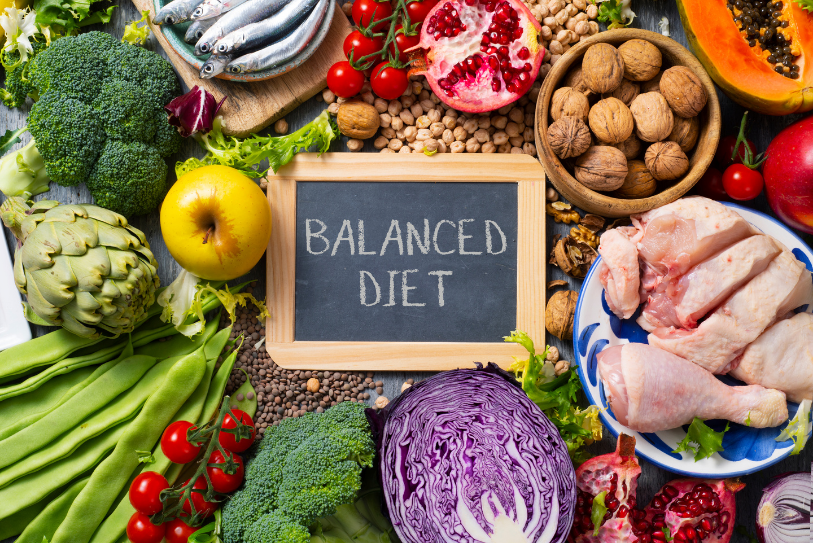
As women, the food choices we make every day affect so much more than just our weight or how our clothes fit. Proper nutrition plays a vital role in every aspect of our health, influencing our energy levels, mood, hormonal balance, immune function, and long-term well-being.
What we eat can impact how we feel today and our
health outcomes years from now. Whether you're in your busy 20s, balancing
career and family in your 30s and 40s, or embracing the changes that come with
menopause and beyond, these nutritional tips can help you thrive at every stage
of life.
1. Prioritize
Protein Intake
Protein isn't just for bodybuilders! It's the building block your body needs for healthy muscles, glowing skin, strong nails, and even hormone production. Aim to include protein at every meal - whether that's eggs at breakfast, chicken in your lunch salad, or beans in your evening stew. If you're vegetarian or vegan, combine plant proteins like beans with rice or add nuts to your smoothie to ensure you're getting complete proteins. Most women need about 46-75g of protein daily, depending on your activity level and life stage.
2. Get
Enough Calcium & Vitamin D
We often don't think about our bone health until there's a problem, but the foundation for strong bones starts with what we eat today. Calcium and vitamin D work together like best friends - one isn't very effective without the other. Beyond dairy, you can get calcium from kale, broccoli, and fortified plant milks. For vitamin D, try to get 10-15 minutes of morning sunlight when possible, and consider adding fatty fish like salmon or mushrooms to your diet. Your future self will thank you when you're still active and independent in your 80s!
3. Iron-Rich Foods for Energy
Ever wonder why you feel so exhausted some days? Low iron could be the culprit. Women lose iron monthly through menstruation, and many of us run on the low side without realizing it. Boost your iron by adding a handful of spinach to your smoothie, choosing red meat occasionally, or sprinkling pumpkin seeds (ugwu seed) on your salad.
Pro tip: Drinking orange juice or adding bell peppers to your lentil soup (porridge beans or Ewa Riro) helps your body absorb that iron much better thanks to the vitamin C.
4. Healthy
Fats for Hormonal Balance
Fat isn't the enemy! In fact, the right fats are absolutely essential for hormone production and brain health. Your body uses omega-3 fatty acids to make anti-inflammatory compounds that help regulate your menstrual cycle and ease PMS symptoms. Try adding avocado to your toast, using olive oil for cooking, enjoying salmon twice a week, or sprinkling ground flaxseeds on your oatmeal. These small additions can make a big difference in how you feel throughout the month.
5.
Stay Hydrated
Water is literally life! Your body is about 60% water, and nearly every process in your body depends on proper hydration. When you're dehydrated, even slightly, you might notice headaches, fatigue, poor concentration, or drier skin. Keep a reusable water bottle with you throughout the day as a reminder to sip regularly. If plain water bores you, try infusing it with cucumber slices, mint leaves, or berries for a refreshing twist. Your skin, digestion, and energy levels will all improve with proper hydration.
6.
Eat More Fiber
Fiber is your digestive system's best friend and your blood sugar's stabilizer. It keeps things moving smoothly through your digestive tract, feeds the good bacteria in your gut, and helps prevent those energy crashes after meals. Start your day with oatmeal topped with berries, choose whole grain bread for sandwiches, and aim to fill half your plate with colorful vegetables at dinner. These simple swaps can help you reach the recommended 25 grams of fiber daily that most women need.
7.
Limit Processed Foods & Sugars
I know. Convenience foods are so tempting when life gets busy! But many processed foods contain ingredients that can trigger inflammation, mess with your hormones, and leave you feeling hungry again soon after eating. Instead of grabbing that bottle of carbonated drink and bread, or making noodles, try to always have fruits like apples, bananas, mangoes, avocadoes; nuts like groundnuts, cashew nuts, peanuts; vegetables like cucumber and carrots; and Greek yoghurt on standby for moments when you need to quickly eat something and regain strength. Your body will reward you with more stable energy and fewer cravings throughout the day.
8.
Balance Your Meals
Think of each meal as an opportunity to fuel your body properly. A balanced plate includes protein, healthy fats for satisfaction, and complex carbs for energy—plus plenty of colorful vegetables for vitamins and minerals. This approach helps keep your blood sugar stable, which means more consistent energy and fewer mood swings. Even when eating on the go, ask yourself: "Do I have protein, healthy fat, and some fiber in this meal?"
9. Consider
Your Life Stage
Our nutritional needs evolve as we move through different stages of life. If you're planning a pregnancy, folate becomes crucial (think leafy greens and beans). During pregnancy, your protein and iron needs increase significantly. Women approaching menopause often benefit from foods that support adrenal health, like pumpkin seeds and leafy greens. And after menopause, focusing on bone-supporting nutrients becomes even more important. Check in with yourself (and sometimes a healthcare provider) about what your body needs in your current life stage.
10. Listen
to Your Body
Perhaps the most important nutrition tip is to tune into your own body's signals. Are you truly hungry, or eating out of boredom? Do certain foods leave you feeling energized or depleted? Taking time to eat mindfully—without scrolling on your phone or watching TV—helps you recognize when you're satisfied and builds a healthier relationship with food. Your body has wisdom; learning to hear its signals can guide you toward the foods that help you feel your best.
Conclusion
Remember, good nutrition isn't about perfection or following strict rules—it's about making informed choices that support your unique body and lifestyle. Small, sustainable changes often make the biggest difference in how you feel day to day. When you prioritize nutrient-dense foods and listen to your body's needs, you're investing in your health not just for today, but for decades to come.
Other articles

Copyright © 2024 Gynix Afrika. All rights reserved.