
10 Things to Know About the Cholera Outbreak in Nigeria
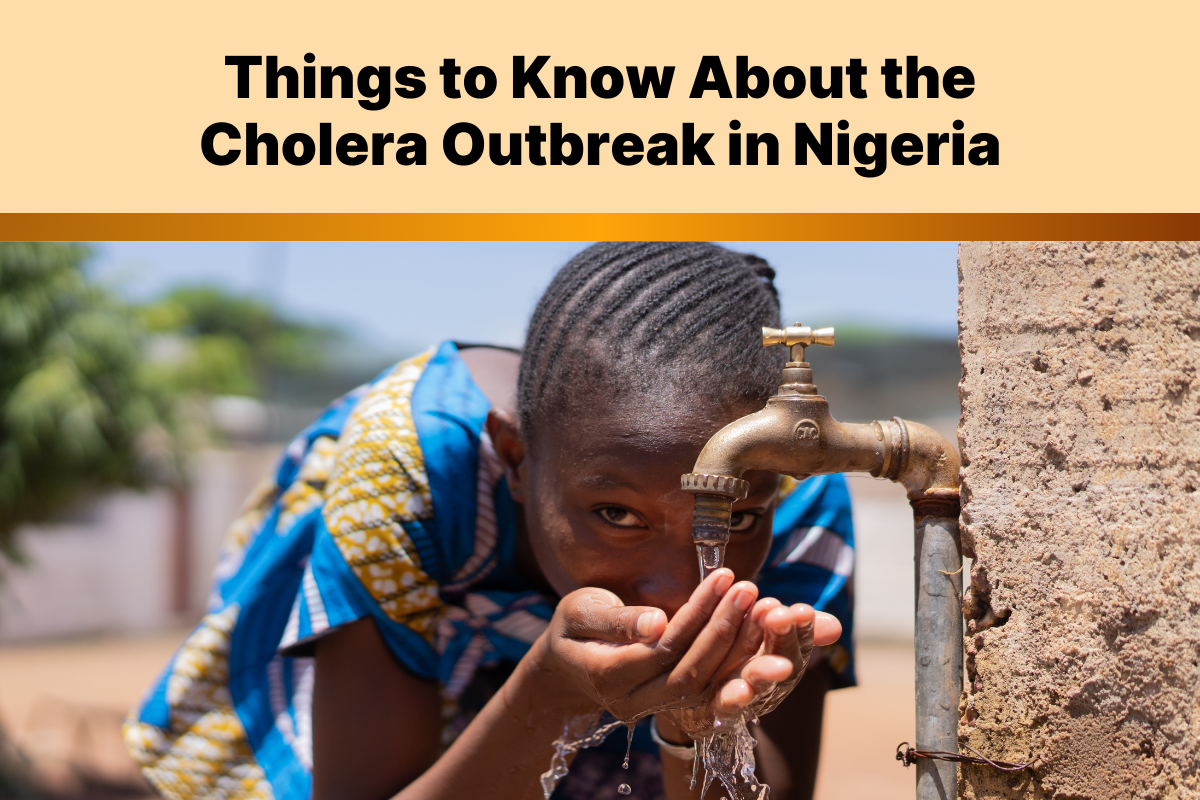
According to the Nigeria Centre for Disease Control (NCDC), from January 1 to June 11, 2024, over 1,141 suspected and more than 65 confirmed cases of cholera have been reported across 96 Local Government Areas (LGAs) in 30 states, resulting in over 30 deaths.
Cholera is an acute diarrheal disease caused by the
bacterium Vibrio cholerae. It spreads through food or water contaminated with
the bacterium and is most common in areas with poor sanitation, crowding, and
inadequate clean water access.
1. Common Sources: The most common sources
of cholera transmission include contaminated municipal water supplies, ice made
from contaminated water, food and drinks sold by street vendors, vegetables
grown with contaminated water, and raw or undercooked seafood.
2. Symptoms: Cholera symptoms can begin as
soon as a few hours or up to five days after infection. Severe symptoms include
watery diarrhoea, vomiting, dehydration, rapid heart rate, low blood pressure,
thirst, and muscle cramps.
3. Risk and Transmission: Cholera is not
contagious through direct person-to-person contact. The highest rates of
infection are among children under 5 years, but all age groups are at risk.
Household contacts of cholera patients are particularly vulnerable.
4. Treatment: Hydration is the primary
treatment for cholera. Depending on the severity, oral or intravenous solutions
are used to replace lost fluids. Antibiotics are recommended for severe or
moderate dehydration, and children under 5 years should receive daily zinc
supplements for 10-14 days.
5. States Severely Affected: The 10 states
contributing 90 percent to the burden of the current cholera outbreak include
Bayelsa, Zamfara, Abia, Cross River, Bauchi, Delta, Katsina, Imo, Nasarawa, and
Lagos.
6. Highly Contagious Strain: Lagos State
Health Commissioner, Prof Akin Abayomi, confirmed that the identified cholera
strain is highly aggressive and contagious, with significant potential for
widespread dissemination.
7. Case Distribution in Lagos: Lagos
Island is the epicenter with 106 cases, followed by Kosofe (49), Eti-Osa (38),
Lagos Mainland (30), Ojo (17), Ikorodu (16), Shomolu (11), Surulere (9), Apapa
(8), Mushin (8), Ifako Ijaiye (8), Alimosho (4), Ajeromi Ifelodun (4),
Oshodi-Isolo (3), Ikeja (3), Ibeju Lekki (2), Badagry (2), and Amuwo-Odofin
(1).
8. Current Statistics in Lagos: As of now,
there are 17 confirmed cases out of 350 suspected cases, with 15 deaths
attributed to severe dehydration caused by delayed presentation.
9. Prevention in Schools: As schools
resume, there's a heightened risk of cholera spread. Preventive measures
include ensuring students bring their own water bottles, providing hand-washing
facilities, and maintaining high food hygiene standards. Students should avoid
sharing personal items, wash their hands frequently, and consume only properly
cooked food and safe water.
10. General Preventive Measures:
Avoid untreated or dirty water.
Do not eat undercooked meals.
Wash fruits and vegetables thoroughly.
Dispose of waste properly and practice regular hand washing with soap.
In conclusion, if you experience any cholera symptoms, seek
medical attention immediately. Health is wealth—stay informed and take
preventive measures seriously.
Other articles

Copyright © 2024 Gynix Afrika. All rights reserved.