

A Story of Misconceptions about Fertility
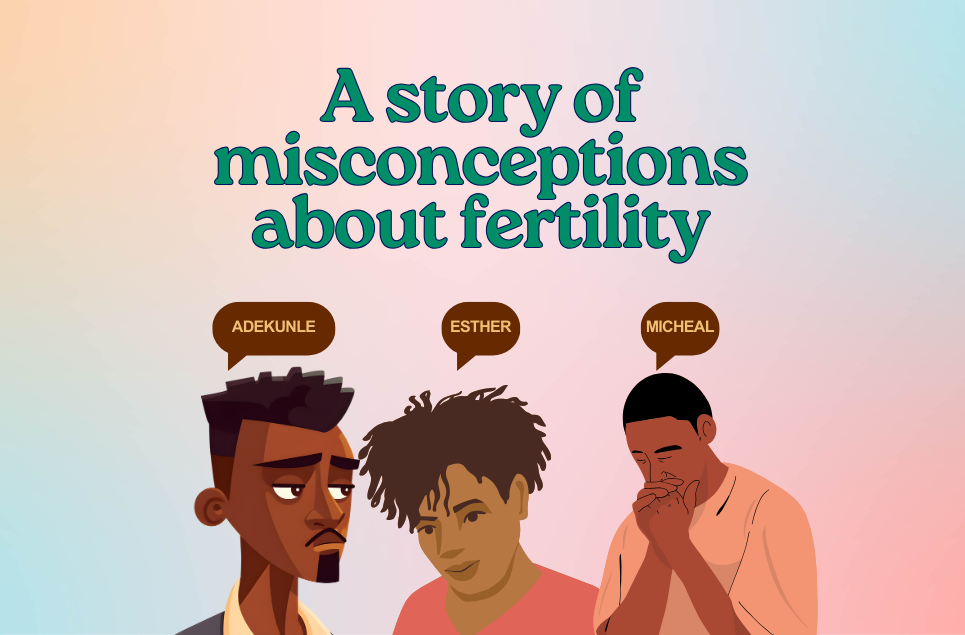
Adekunle: (Obviously dissatisfied with the line of conversation) Michael, please stop. (a little crease form just above his eyebrows). How can you say that about your brother’s wife? Who says infertility is a consequence of promiscuity?
Michael:
Well… (Stuttering, surprised by Adekunle’s
sudden outburst) we’ve all heard people say it. They can’t all be wrong,
can they?
Adekunle:
Yes, they can, and they are wrong. There’s
no scientific connection between promiscuity and having trouble conceiving.
Plus, who says the challenge your brother and his wife are facing with
conception has anything to do with his wife?
Esther:
(Rolling her eyes) Infertility is a woman’s problem. Women are the ones with
the womb (Shrugging her shoulders). If the couple are having a challenge with conceiving, then the woman
should be made to answer. After all, …
Adekunle:
(Visibly taken aback; Interrupts)
Esther! And you are educated! You are also
a woman. I expect you to know better. (Sadly) I am currently grappling
with infertility.
Esther
and Michael: (Shocked) What?!
Esther:
But you’ve been married for only 10
months; I thought you guys were not ready for kids yet!
Adekunle:
We’ve been ready since day one. I have been diagnosed with low
sperm production. Honestly, this has been a struggle for my wife and me, and she’s
been so supportive. It kills me to know that people like you- friends, family, and
strangers judge her for my problem.

Esther:
(Putting her arms around Adekunle).
We are so sorry. We didn’t… couldn’t have
known. (Broken) Thanks for opening up, Kunle. I'm grateful for this conversation. It's made
me realize the importance of empathy and understanding, and the need to be more
mindful of the challenges others may be facing, even if they're not immediately
visible.
Adekunle:
(Softens) It's okay, there are many
misconceptions about infertility. Many people also don't understand the
complexities, until they experience it themselves or see someone close to them
go through it.
Michael:
(Reflective and remorseful; places a warm hand
on Adekunle’s shoulder). I am sorry too, Kunle.
I agree with Esther. Infertility is beyond a personal struggle; it's a societal
issue that requires awareness and empathy. We need to break the stigma surrounding
infertility and support those who are affected by it.
(They share a group hug, united in their commitment to leave their mark by raising awareness and supporting those affected by infertility.)
As
we commemorate Infertility Awareness Week, it's crucial to raise awareness about the
complexities and challenges faced by millions of individuals and couples
worldwide. Infertility is not just a personal struggle; it's a societal issue
that requires understanding, empathy, and support.
Did
you know that infertility affects approximately one in every six people of
reproductive age globally? Contrary to common misconceptions, infertility is
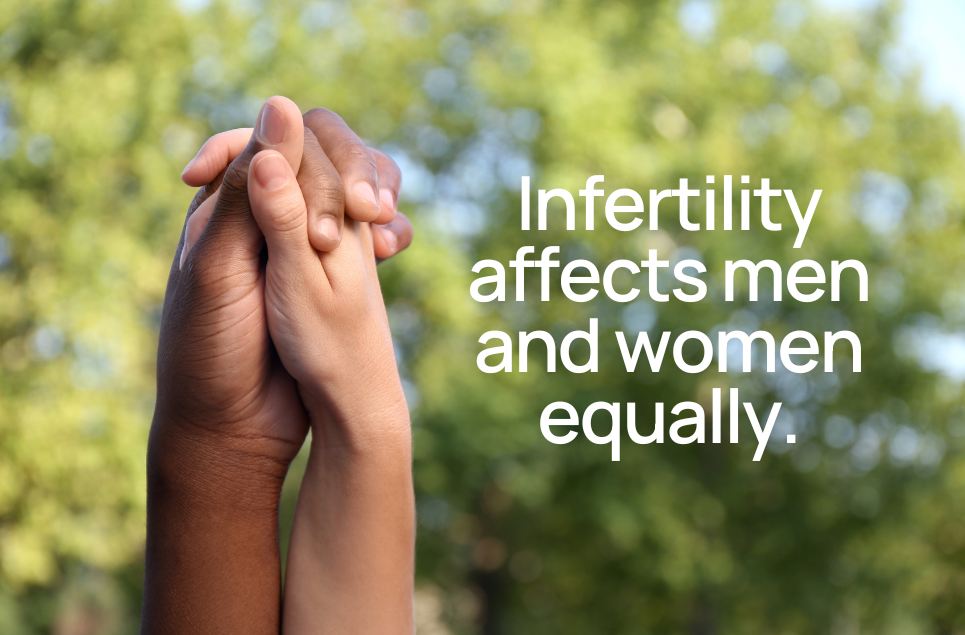
not solely a female issue. In fact, there's an equal chance that the issue may
arise from either the male or female partner.
CAUSES
Factors
contributing to infertility in females include delayed ovulation, irregular
menstrual cycles, reproductive system surgeries, and abnormalities of the
ovaries, uterus, or fallopian tubes. Similarly, males may experience issues
such as problems in semen ejection, low sperm levels, abnormal sperm
morphology, and impaired sperm motility.
While
there are various causes of infertility, including genetic factors, hormonal
imbalances, and lifestyle choices, it's essential to recognize that infertility
is a medical condition that requires understanding and support.
MYTHS
Additionally,
there are several misconceptions about infertility. These beliefs are untrue.
Some of such myths are:
1.
Age doesn’t affect fertility. On the contrary, old age is one of the predisposing
factors to infertility, as opposed to people’s belief that you can get pregnant
at any time in your life as long as you’re having sex.
2.
Birth control leads to infertility.
3.
Fertility is solely a woman’s problem.
4.
IVF and other infertility treatments are too expensive.
5.
Infertility means you can’t have a baby
6.
Infertility is never preventable.
7.
Another prevalent misconception surrounding infertility is the harmful belief
that it is caused by promiscuity. This erroneous assumption not only adds to
the stigma surrounding infertility but also inflicts additional emotional pain
on those already grappling with the challenges of infertility.
PREVENTIVE
MEASURES:
Preventing
infertility involves a combination of lifestyle choices, medical interventions,
and awareness. Here are some preventive measures recommended by the World
Health Organization (WHO):
1.
Maintain a Healthy Weight. Both obesity and being underweight can affect
fertility. Aim for a healthy weight through balanced diet and regular exercise.
2.
Avoid Smoking and Alcohol. Smoking and excessive alcohol consumption can
decrease fertility in both men and women. Quitting smoking and moderating
alcohol intake can improve fertility.
3.
Practice Safe Sex. Sexually transmitted infections (STIs) can lead to
infertility if left untreated. Use condoms and practice safe sex to reduce the
risk of STIs.
4.
Manage Stress. Stress can interfere with hormonal balance and fertility.
Practice stress-reducing techniques such as mindfulness, meditation, or yoga.
5.
Limit Exposure to Environmental Toxins. Pollutants, chemicals, and
pesticides can impact fertility.
6.
Maintain Sexual Health. Regular sexual intercourse and timing
intercourse with ovulation can increase the chances of pregnancy.
7.
Get Regular Health Check-ups in order to detect any underlying health
conditions that may affect fertility early on.
8. Manage Chronic Conditions such as diabetes, hypertension, and thyroid disorders can affect fertility.
9.
Limit Exposure to Harmful Substances such as lead, mercury, and
certain chemicals found in pesticides and plastics, as they can affect
reproductive health.
10.
Seek Fertility Evaluation if Needed. If you've been trying to conceive
for a year without success (or six months if you're over 35), seek evaluation
from a fertility specialist. Early intervention can increase the chances of
successful treatment.
Remember,
while these preventive measures can help reduce the risk of infertility,
individual factors such as genetics and age also play a significant role.
Consulting with a healthcare provider for personalized advice is essential.
On this Day, let's come together to break the silence surrounding infertility, educate ourselves and others, and offer compassion and support to those on their journey to parenthood. By raising awareness and advocating for change, we can create a more understanding and supportive society for all.
Other articles

Copyright © 2026 Gynix Afrika. All rights reserved.