

Healthy Mouth, Healthy You: 11 Essential Tips for Your Oral Health
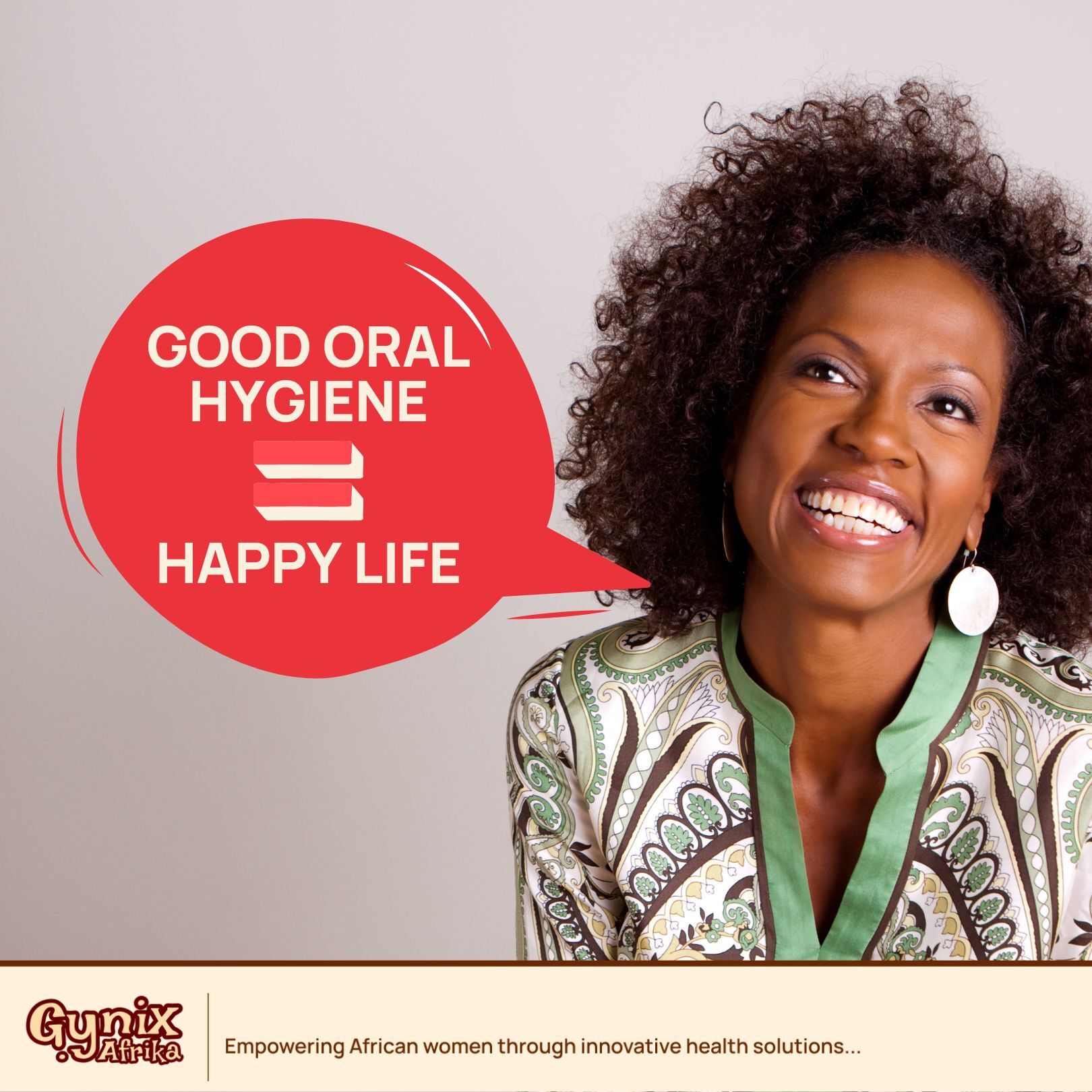
A Happy Mouth is A Happy Body. A healthy mouth does not just contribute to a glamorous smile but also plays a crucial role in promoting your overall health.
The World
Health Organisation notes that oral health encompasses the state of the mouth, teeth and
orofacial structures that enable individuals to perform essential functions
such as eating, breathing and speaking, and encompasses psychosocial dimensions
such as self-confidence, well-being and the ability to socialize and work
without pain, discomfort and embarrassment.
Oral health problems are some of the most prevalent chronic
diseases globally, affecting an estimated 3.5 billion people, and range from tooth decay,
gum disease, and oral cancer to infectious diseases like oral herpes and warts
and birth defects such as cleft lip and palate.
Several factors can increase your susceptibility to oral health
issues,
particularly, sugary and acidic diets, poor oral hygiene, alcohol consumption,
smoking and tobacco use, and some underlying health conditions like HIV/AIDs.
Signs that
you may have an oral health problem include ulcers, sores, or tender areas in
the mouth that won’t heal after a week or two; persistent bad breath,
sensitivity to hot and cold meals, receding gums, regular dry mouth, bleeding
gums, swollen gums, toothache, and pain while chewing or biting.
Notably, there
is an
association between oral health and several systemic conditions, such as heart disease,
stroke, diabetes, and respiratory infections.
Bacteria and inflammation from oral infections can enter the bloodstream,
affecting other parts of the body and potentially exacerbating existing health
problems.
It is,
therefore, important to take oral hygiene seriously and care for your oral
health. Here are 11 best practices to
help you stay on top of your oral health:
1. Brushing: Brush your teeth twice a day for at least two minutes each time, using a soft-bristled brush and fluoride toothpaste. Brush every part of the teeth including the back and sides. Angle the brush 45 degrees towards the gum line and use gentle strokes to clean all surfaces of your teeth. This is effective in removing plaque and bacteria present at your gumline.
2. Brushing Your Tongue: Yes, we will take this part separate from brushing your teeth. Your tongue is a good ground for bacteria to thrive. So, when you brush all parts of your teeth, DO NOT FORGET YOUR TONGUE. You may use your toothbrush or a tongue scraper to clean your tongue.
3. Flossing: Floss daily to remove plaque and food particles from between your teeth, where brushing can't reach. Explore options like floss threaders, water flossers, or interdental brushes if flossing is difficult.
4. Antibacterial Mouth Wash: Antibacterial mouthwash is also helpful in removing food remains and other particles from the mouth. It also limits the build-up of plaque. So, add this to your oral care routine.
5. Diet: Limit sugary and acidic foods and drinks. Frequent consumption of sweets, sugary drinks, and foods leads to cavities. When the teeth are exposed regularly to such acids, it causes tooth sensitivity and/or tooth decay, especially when you do not practice healthy aftercare. Hence, it is important to eat a balanced diet, reduce consumption of acidic and sugary foods and practice healthy aftercare like flossing, brushing and rinsing out with an alcohol-free mouthwash.
6. Quit smoking: If you use tobacco products, quitting is the single most effective step you can take to improve your oral and overall health. Also, avoid or reduce alcohol consumption. Alcohol reduces saliva in the mouth, causing dry mouth; alcohol also causes tooth decay and gum diseases, leading to chronic bad breath and a greater risk of oral cancer.
7. Regular Dental Checkups: Visit the dentist regularly. Schedule dental checkups and cleanings at least once a year, or more often, if recommended by your dentist. These visits allow for early detection and treatment of potential problems.
8. Regular Medical Checkups: Certain medical conditions like HIV/AIDs and diabetes impact your oral health. It is thus important to go for regular general health checks, for early detection and treatment of underlying health problems.
9. Maintaining Safe Practices During Sexual Activities: Oral sex exposes you to the risk of STIs like Herpes, Warts and other lung infections. It is important to take safe measures such as ensuring your partner isn’t infected, using barriers such as condoms and dental dams, and brushing your mouth or rinsing your mouth with mouthwash after sexual activity.
10. Manage Stress: Long-term stress can weaken the immune system, making you more susceptible to oral health problems. Rest well.
11. Stay Hydrated: Drinking plenty of water helps keep your mouth moist, and washes away food particles. It also flushes out toxins from the body, keeping you rejuvenated and healthy.
Remember, a happy mouth is a happy body. Prioritise your oral health!
Other articles

Copyright © 2026 Gynix Afrika. All rights reserved.