

How Are You Caring For Yourself Today?
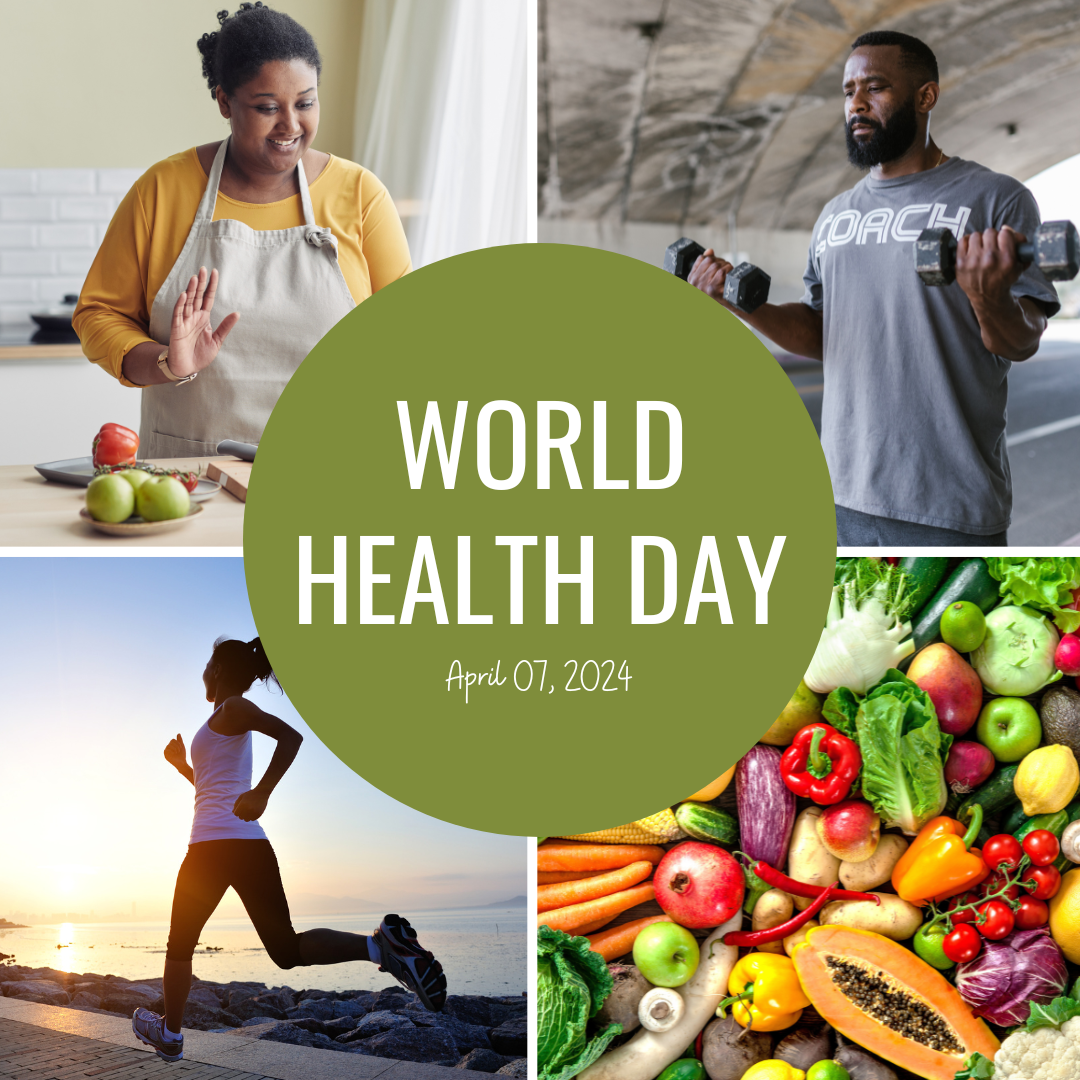
Self-care is all about caring for yourself—as the name suggests—to ensure your physical and emotional needs are met.
According to the World Health Organization (WHO), self-care
is important because it can help promote health, prevent disease, and help
people better cope with illness.
Good self-care can take on many forms. It could be ensuring
we get enough sleep every night or stepping outside for a few minutes for some
fresh air. It can also mean taking the time to do what we enjoy.
Self-care is a conscious act people take to promote their
physical, mental, spiritual, and emotional health.
Physical Self-Care
1. Eat healthy: Have fruits and vegetables, lean protein, whole grains, and low- or no-fat dairy. Limit foods with unhealthy fats, salt, and added sugars. It's recommended that men have around 2,500 calories a day (10,500 kilojoules) and women should have around 2,000 calories a day (8,400 kilojoules).
2.
Get enough sleep: Go to bed and wake up at the same time each day to help you sleep
better. Adults need 7 or more hours per night.
3.
Move more and sit less: Every little bit of physical activity helps. Start small and build
up to 2½ hours a week. You can break it into smaller amounts of time, such as
20 to 30 minutes a day.
4.
Limit alcohol intake: Choose not to drink, or drink in moderation on days you drink
alcohol. Moderation means having 2 drinks or less a day for men or 1 drink or
less a day for women.
5.
Avoid illegal drugs or using prescription drugs
in ways other than prescribed.
6.
Avoid smoking, vaping, and the use of other
tobacco products.
7.
Lose weight if you’re overweight: Carrying too
much weight increases your risk for several health conditions. These include
High blood pressure, High cholesterol, Type 2 diabetes, Heart disease, Stroke,
Some cancers, Gallbladder disease, etc.
8.
Protect your skin: Sun exposure is linked to
skin cancer. So be sure to wear protective clothing and hats when you are
outside and use sunscreen year-round on exposed skin, like your face and hands.
In addition to the factors
listed above, you should make time for whole body health. Visit your doctors
for regular checkups. Preventive care can detect disease or prevent illness
before it starts.
Social Self-Care
Socialization is key to self-care. But, often, it's hard to make time for friends, and it can be easy to neglect our relationships when life gets busy. To assess your social self-care, consider:
Are you getting enough face-to-face time with your friends?
What are you doing to nurture your relationships with
friends and family?
Close connections are important to your well-being. The best
way to cultivate and maintain close relationships is to put time and energy
into building our relationships with others.
Mental Self-Care
The way we think and the things that we're filling our minds
with greatly influence our psychological well-being. Mental self-care also
involves doing things that help you stay mentally healthy. Practising
self-compassion and acceptance, for example, helps you maintain a healthier
inner dialogue.
It also includes doing things that keep your mind sharp, like puzzles or learning about a subject that fascinates you. You might find that reading books or watching inspiring movies fuels your mind.
Spiritual Self-Care
Research shows that a lifestyle including religion or spirituality is generally a healthier lifestyle.
Nurturing your spirit, however, doesn't have to involve
religion. It can involve anything that helps you develop a deeper sense of
meaning, understanding, or connection with the universe.
Whether you enjoy meditation, attending a religious service,
or praying, spiritual self-care is essential.
Emotional Self-Care
It's important to have healthy coping skills to deal with uncomfortable emotions, like anger, anxiety, and sadness. Emotional self-care may include activities that help us acknowledge and express our feelings regularly and safely.
Whether you talk to a partner or close friend about how you
feel, or you set aside time for leisure activities that help you process your
emotions, it's important to incorporate emotional self-care into your life.
It is your responsibility to take care of your body if you
want it to run efficiently.
This year’s theme for World Health Day 2024- ‘My health, my
right’ was chosen to champion the right of everyone, everywhere to have access
to quality health services, education, and information, as well as safe
drinking water, clean air, good nutrition, quality housing, decent working and
environmental conditions, and freedom from discrimination.
Access to quality health services is a core value for us at
Gynix Afrika, and that is why we are embarking on a day-free comprehensive
antenatal care outreach and sensitization for pregnant women in Ogo Oluwa LGA
in Ogbomosho, Oyo state, Nigeria.
This initiative seeks to combat high maternal mortality and
low antenatal care uptake through education, medical services and dispelling
myths.
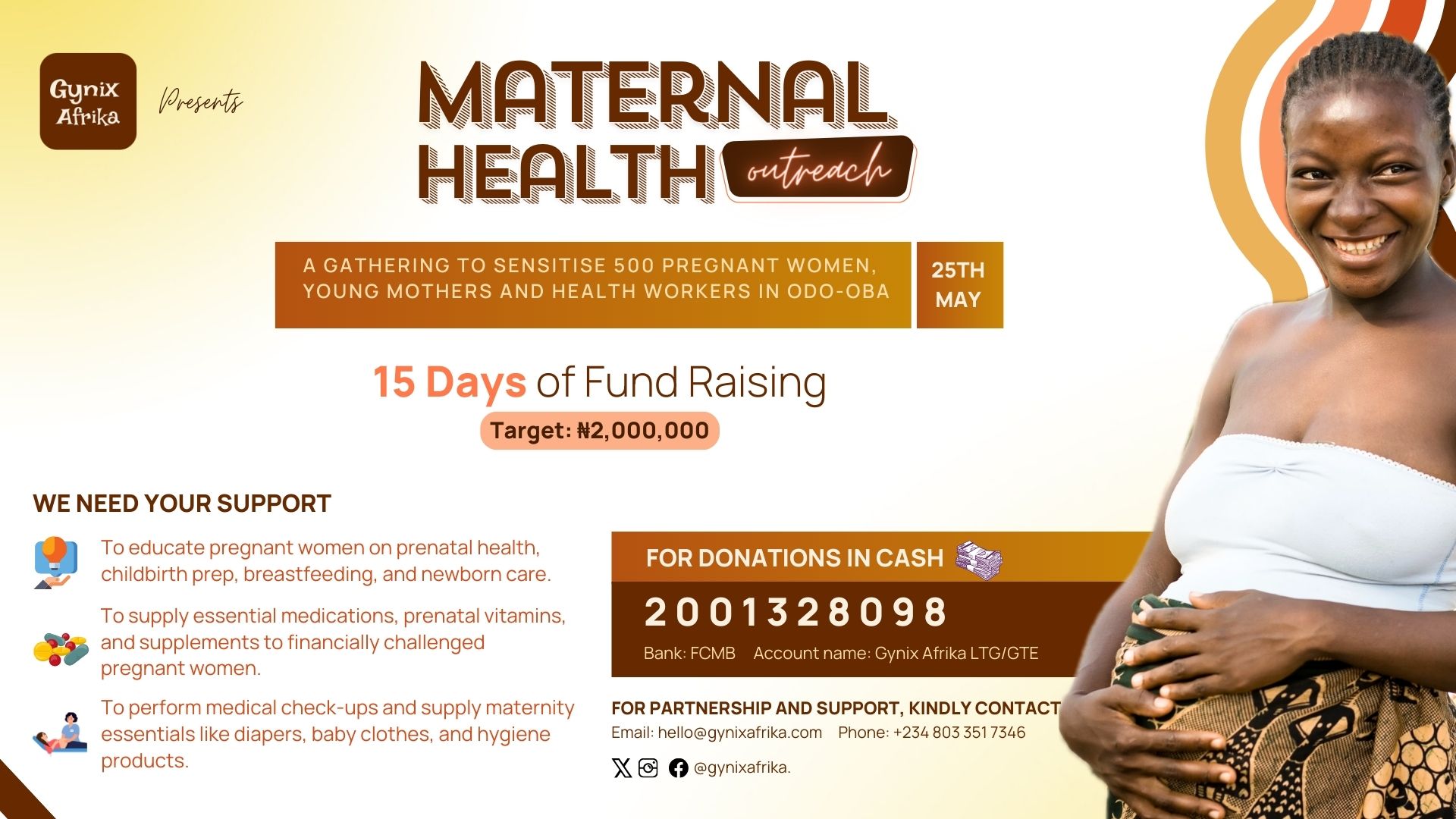
One of the objectives of this outreach is to screen at least
200 pregnant women on that day so as to detect and refer any pregnancy-related
risks and complications and to also dispense routine drugs, e.g. folic acid,
ferrous sulphate etc. to pregnant women.
If you would like to make a voluntary donation to this
initiative, please click on the donate button on our website. For more
questions, clarifications or sponsorship, please send an email to hello@gynixafrika.com
or call us at: (+234) 803 351 7346.
Supporting this initiative in any way you can could also be mental
and spiritual self-care as because of you, one pregnant woman’s life would be
saved.
Other articles

Copyright © 2026 Gynix Afrika. All rights reserved.