

IWD 2024: Inspiring Inclusion for Gender Parity in Health
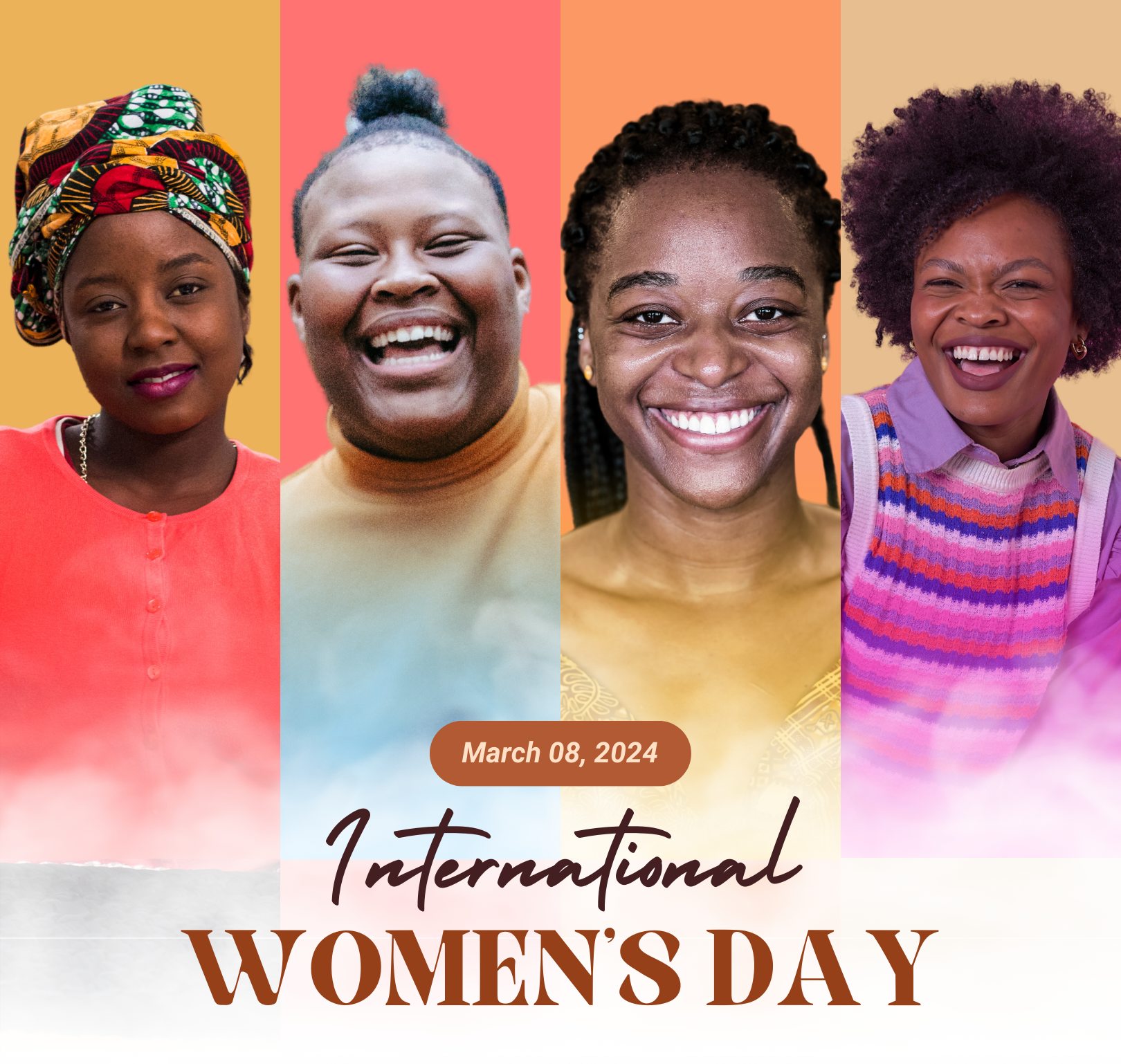
Gender disparity remains a deep-seated challenge affecting women across borders. Women in modern and rural societies
grapple with discrimination and inequality that impact their access to
education and finance, career choices and opportunities.
This imbalance further influences women’s health,
altering how women seek and receive health services. Gender norms that keep girls
away from education influence the type of jobs they get when they become older.
The lack of good-paying jobs, restrictions on women’s mobility, and access to/control
over finance, equally impact their health-seeking behaviour.
These patterns have triggered early and
forced marriages, teenage pregnancies, unwanted and unplanned pregnancies, and
sexual and physical abuse, all having health implications.
Reports also show that healthcare providers
attribute the control over a woman’s body to some other entity, guided by misogynistic
beliefs and stereotypes.
A family planning study in six Nigerian cities showed that health providers
discouraged newly wedded women from the use of contraceptives, believing that
it was their responsibility to have children immediately after marriage. The
study also showed that these providers believed the consent of their husbands
was required to receive contraception. In another study in southwest Nigeria in
2018, healthcare providers discouraged unmarried sexually active females from
using contraceptives; they were instead to abstain from sex.
These sexist practices, present sadly even in the health sector, have affected how women who suffer rape and
unmarried pregnant women are treated by health service providers, further discouraging these groups from
visiting healthcare facilities to access life-saving services.
Maternal Health in Nigeria
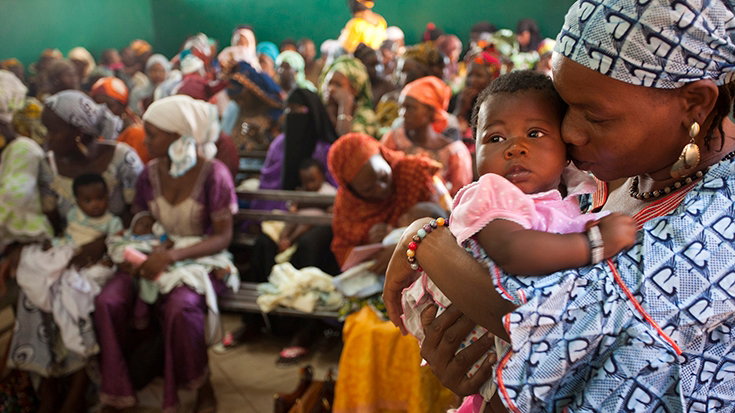
Statistics from UNICEF reveal that Nigeria’s 40 million women of childbearing age suffer
a disproportionally high level of health issues surrounding birth, with the country currently accounting for
10% of global deaths for pregnant mothers and a maternal mortality rate of 576
per 100,000 live births, the fourth highest globally.
Limited access to skilled
healthcare professionals during pregnancy and childbirth, lack of critical
medical equipment, financial constraints, and cultural beliefs causing delays
in seeking medical care are contributing factors impacting maternal health in
the country.
Moreover, the lack of clinical
psychological support for women faced with mental health issues such as
depression, anxiety, paranoia and trauma stemming from miscarriage and/or childbirth
complications, further reduces their quality of life.
Investing in Women's Health
Gynix Afrika is working towards a future where African women are
sufficiently health-educated, own their bodies, and can access prompt quality
healthcare. Through innovative and local solutions, and strategic collaborative
efforts, we are investing in the health and well-being of women in Africa.
Health Education, Health Screening and Health
Access
Our projects aim to provide women and girls with accurate health information, combating misinformation so that women make conscious and right choices about their health. We use a variety of channels, including outreaches, campaigns, radio programs, women's and girl's clubs, and online media.
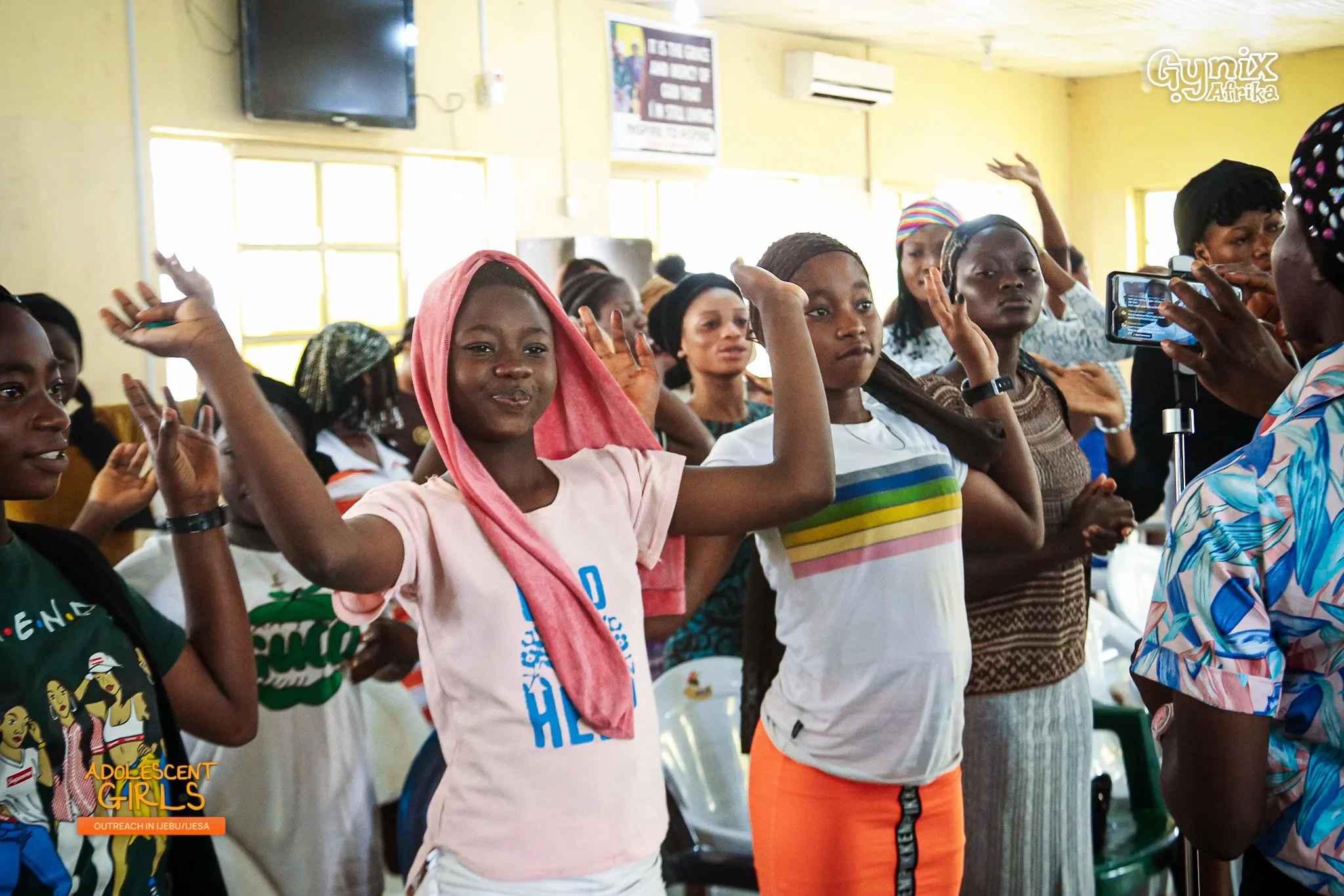
In one of our outreach programs, we reached
out to about 100 adolescent girls in Ijebu-Ijesha, Oriade LGA in Osun State.
82.7% of the girls were aged 11-18. During the program, we provided information
on menstrual hygiene, sexual health, STDs, teenage pregnancy, mental health,
personal development, and career prospects. We also had a session for
individual counselling where participants shared personal health challenges and
received guidance.
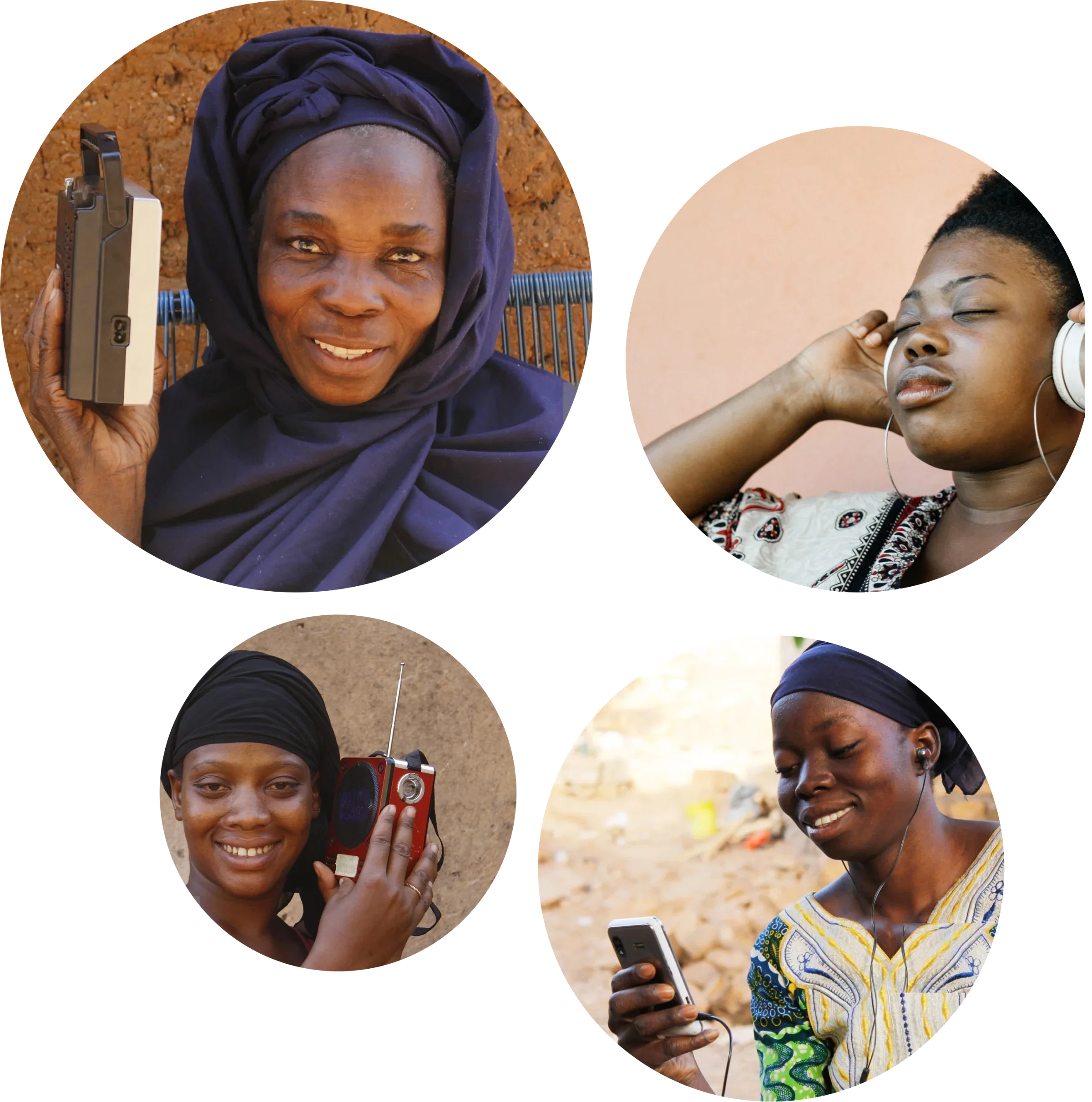
Our indigenous Yoruba women's health radio program is also very effective in sensitizing women on important health issues and encouraging participatory discussions through listeners' call-ins.
Health Screening, an integral part of our
work, contributes to the early detection and treatment of illnesses, including
HPV infection, breast cancer, NCDs, and STIs- reducing the number of
preventable deaths. Screening also aids in the detection of pregnancy-related
risks and complications. The organisation facilitates access to quality
healthcare through its referral initiative. We are also investing long-term in
the development of a women's health app to connect users with the services they
need.
Maternal Health Outreach- MAY 2024
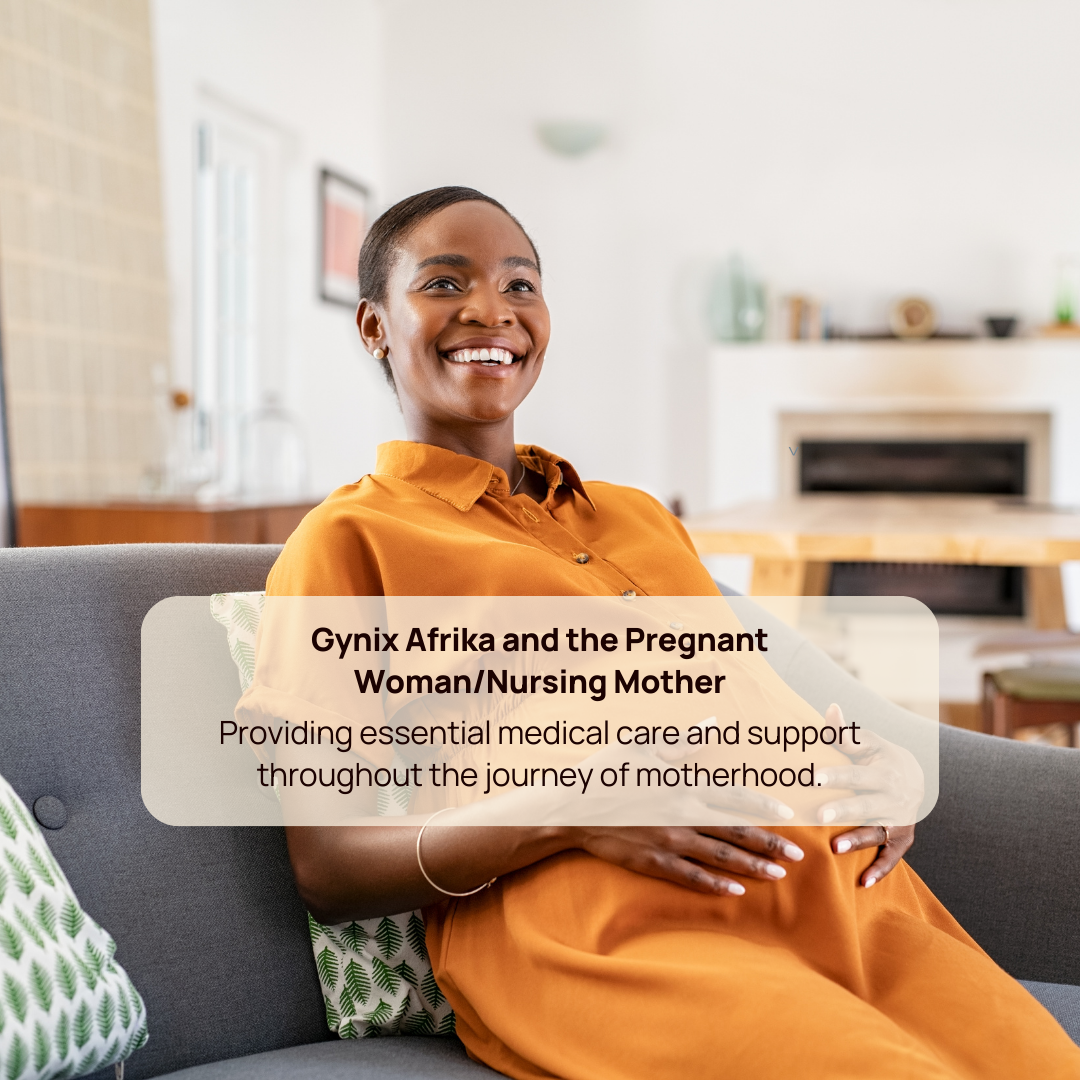
In May 2024, Gynix Afrika plans to conduct
a health outreach program aimed at supporting pregnant women in Ogo Oluwa Local
Government Area (LGA) of Oyo State. The project's primary objective is to
address the underlying causes of maternal illnesses and deaths to improve
maternal health in Oyo State. Our approach includes facilitating access to
high-quality antenatal care, health education, health screening, referrals, and
providing pregnancy supplements and birth kits.
To achieve our goals, we are partnering
with the State Government, Primary Health Care Board, Community and traditional
institutions, and other stakeholders.
Collaboration for Gender Parity in Health
On this International Women’s Day, we proudly
recognise and celebrate women of all races and tribes. We acknowledge the
high-impact economic, political and socio-cultural achievements of women,
despite the fewer opportunities available to them.
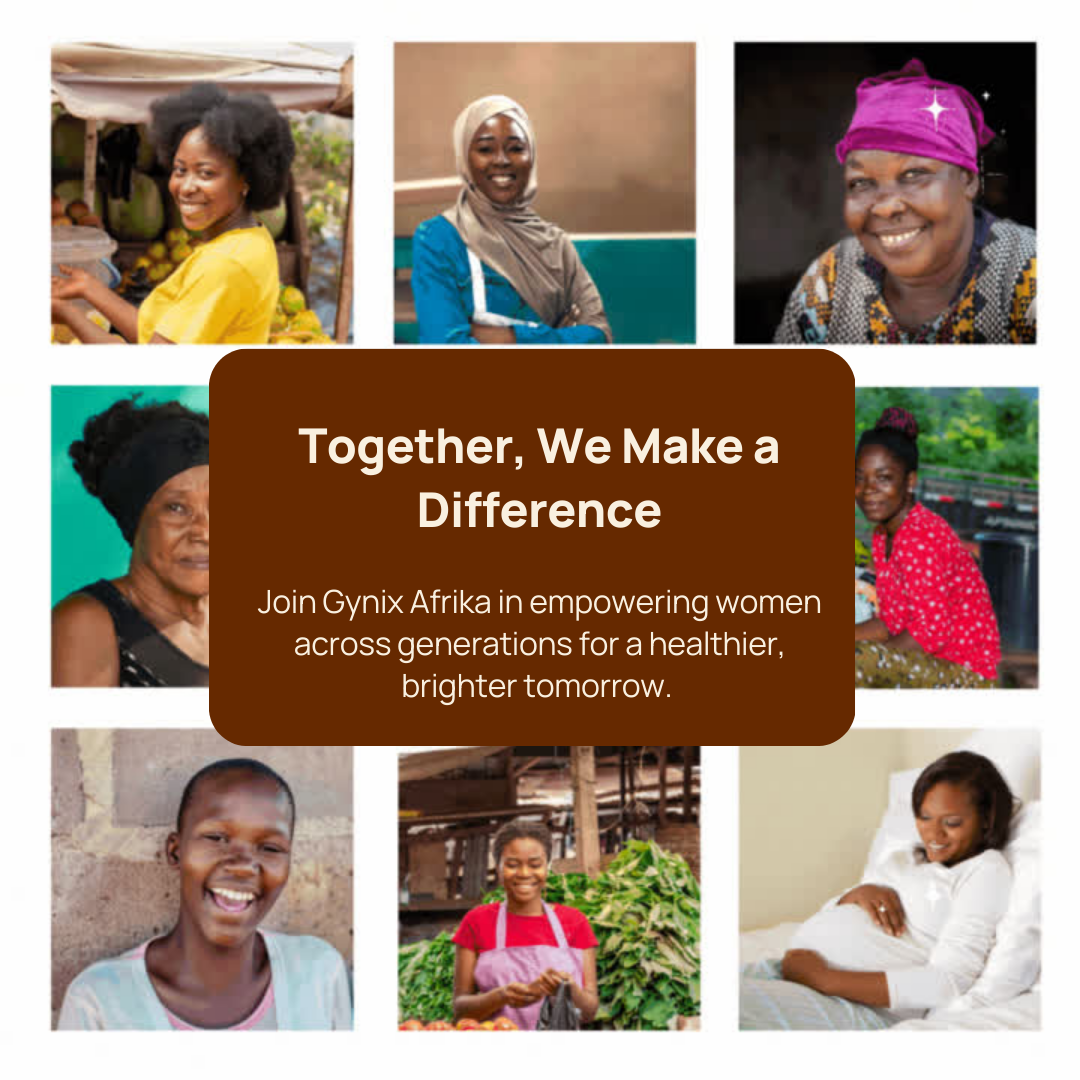
We call for policy reforms that address
gender disparities in healthcare, protect sexual and reproductive rights, and eliminate gender-based
violence. These are basic to creating an environment where women can thrive.
We reaffirm our commitment to women's
health by acknowledging the challenges they face, pushing back at gender
stereotypes, and advocating for substantial investments in women's well-being.
By empowering women and ensuring their health and rights are prioritized, we #accelerateprogress not only for women but for the society as a whole.
Other articles

Copyright © 2026 Gynix Afrika. All rights reserved.