
The 2024 Mpox Outbreak in Nigeria: Transmission, Risk, Responses
Highlights
· 40 cases confirmed, out of 830 suspected cases.
· No deaths recorded.
· 10,000 doses of the Jynneos Mpox vaccine delivered to Nigeria on Tuesday 27 August 2024.
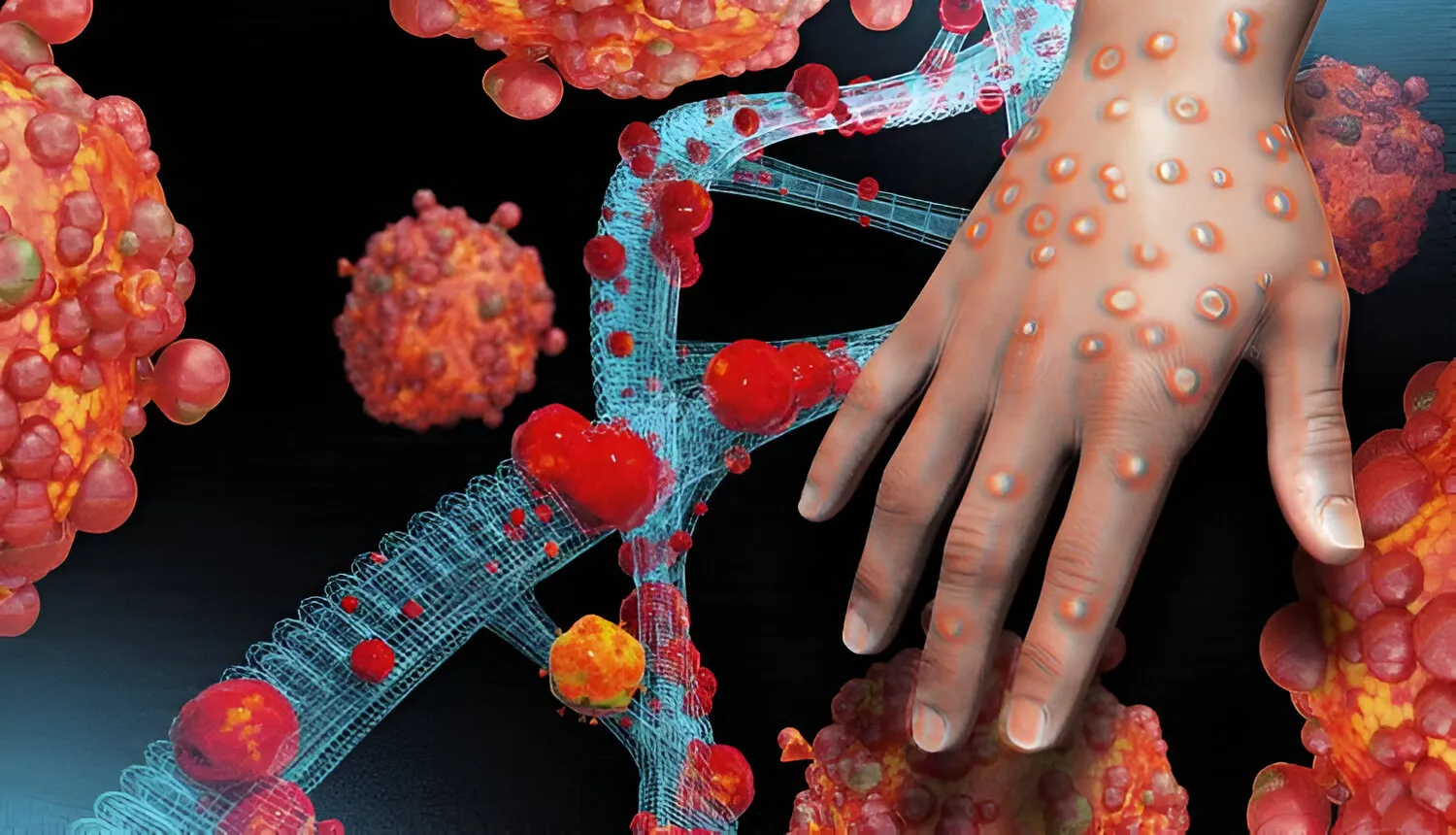
Mpox, previously known as monkeypox, is a viral disease that originates in animals and can be transmitted to humans. It is commonly found in several African countries, particularly in the tropical rainforests of Central and West Africa. Animals such as rodents, squirrels, and monkeys are believed to play a major role in spreading the virus.
There are two main groups of the virus: Clade I (with subgroups Ia and Ib) and Clade II (with subgroups IIa and IIb). The global Mpox outbreak in 2022-2023 was mainly caused by the Clade IIb strain. Clade I is the form of Mpox fuelling the current outbreak, and it’s known for causing more severe disease than Clade II.
In Nigeria though, the 2024 outbreak is tied to the milder Clade II strain. As of last Friday, Nigeria reported a total of 830 suspected cases of Mpox, with 40 confirmed cases across about 13 states and the Federal Capital Territory (FCT). Fortunately, there has been no reported death. States with confirmed cases include Bayelsa- 16 cases, Cross River 5, Ogun 4, Lagos 4, Ondo 3, Ebonyi 3, Abia 1.
Transmission
Mpox can spread from animals to humans and from human to human.
In animals to humans, transmission occurs through direct contact with the blood, body fluids, or skin lesions of infected animals. A person may contract Mpox through a bite, scratch, or by handling or eating undercooked meat from an infected animal. Common animals that might transmit the virus include monkeys, squirrels, and certain rodents.
In human-to-human transmission, this occurs through direct contact with the bodily fluids or lesions of an infected person or through contact with materials contaminated with the virus, such as clothing or bedding. The virus can also spread through respiratory droplets from an infected person when talking, breathing, or sneezing. It can also spread through prolonged face-to-face contact or intimate physical contact like kissing and/or sexual activity.
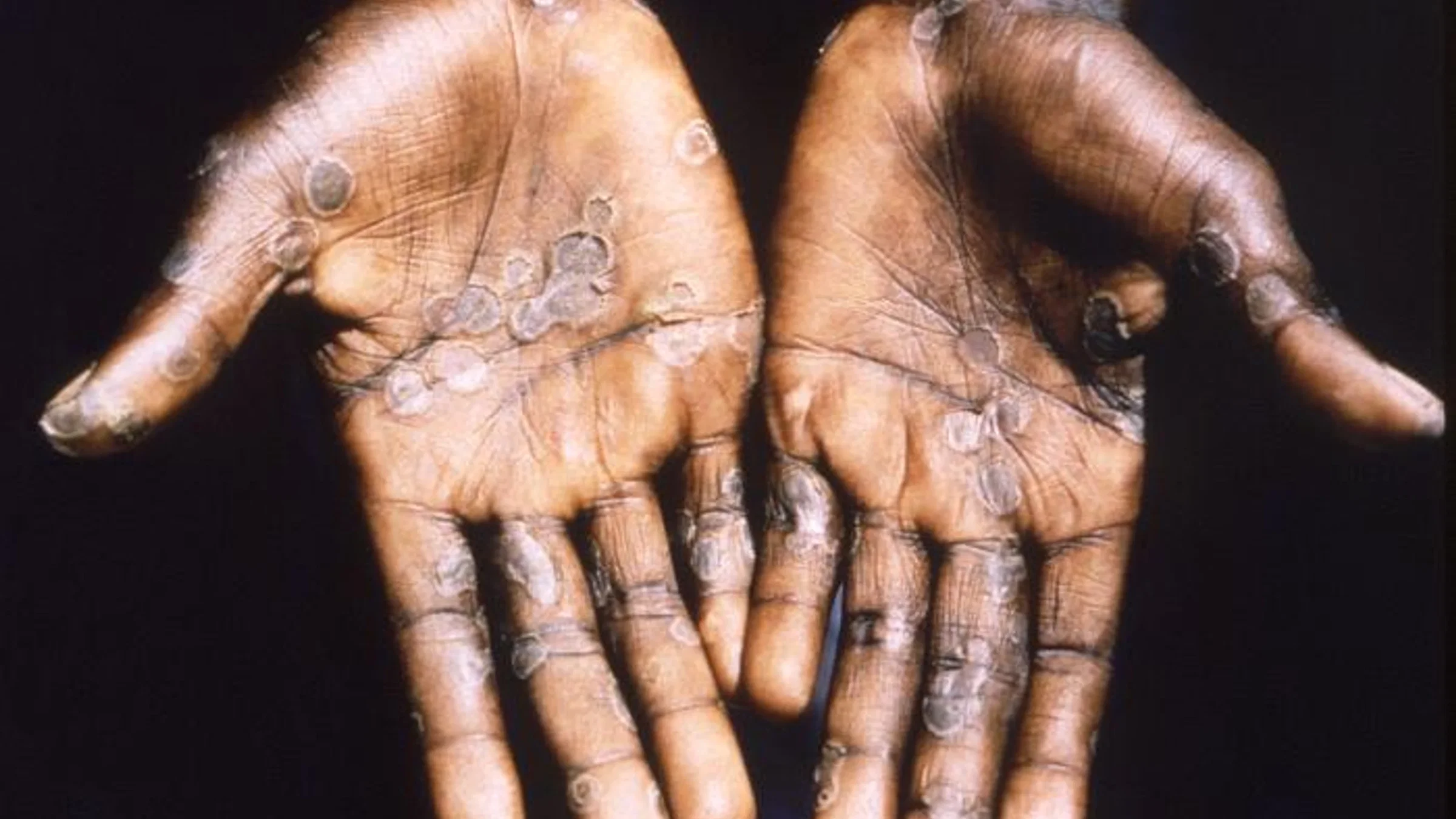
Symptoms of Mpox
The signs of Mpox usually appear 1 to 2 weeks after exposure to the virus and include:
· Fever
· Headache
· Muscle aches
· Back pain
· Swollen lymph nodes
· Chills
· Exhaustion
· Rash that typically starts on the face and then spreads to other parts of the body, including the palms of the hands and soles of the feet. The rash can also appear in and around the genitals. The rash progresses through several stages, from flat, red spots to raised bumps, blisters, and finally crusts that dry up and fall off.
People At Risk
Generally, anyone exposed to the virus is at risk. Close contact with someone who has the virus puts you at risk of the virus.
Likewise, persons with suppressed immunity are at higher risk of developing severe Mpox or dying as a result. Severe Mpox can include larger, more widespread lesions (especially in the mouth, eyes and genitals), conditions such as inflammation of the heart, brain or other organs, or secondary bacterial infections of the skin or blood and lung infections.
Therefore, people with untreated HIV, and advanced HIV disease (late presentation, low CD4 count and high HIV viral load) have an elevated risk of death if they develop severe Mpox. Those who have achieved viral suppression through antiretroviral treatment do not appear to be at any higher risk of severe Mpox than the general population.
Equally, pregnancy is considered a relatively immunosuppressed state. So, contracting Mpox when pregnant puts the foetus at risk, leading to loss of pregnancy, stillbirth or complications for the mum. Newborn infants with not fully developed immune systems may also be at risk of the virus.
Prevention and Control Measures
To prevent the spread of Mpox, public health authorities including the World Health Organisation, the Ministry of Health and the National Centre for Disease Control recommend several infection prevention and control measures, including:
1. Avoid contact with animals that could carry the virus, especially sick or dead animals in areas where Mpox has been confirmed.
2. Avoid contact with materials, such as bedding or clothing, that have been in contact with a sick animal or person.
3. Washing hands frequently with soap and water, particularly after caring for or visiting sick people.
4. Avoid unnecessary physical contact with infected individuals.
5. Use protective clothing and gloves when handling sick animals or their tissues, especially during slaughter.
6. Ensure that all animal-derived food products are thoroughly cooked before consumption.
7. Report any suspected cases to the nearest health facility or call the NCDC toll-free line at 6232.
8. If you are pregnant, avoid close contact with anyone who has Mpox. If you think you have been exposed to or are showing symptoms that could be Mpox, visit your health facility. They will help you access the care you need.
9. If you are living with HIV, continue to take your HIV medication as directed. If you don’t know your HIV status, do an HIV test. This will help your healthcare provider to ensure you receive the best possible care.
10. If you think you are at risk for Mpox or have been diagnosed with Mpox, you may benefit from testing for sexually transmitted infections (STIs).
Conclusion
Mpox remains a significant public health challenge in Africa and an international concern. The WHO states that it is not the new COVID-19. With the coordinated efforts of the Nigerian government, international partners, and the public, the spread of the virus can be effectively controlled. Let all stay safe by staying informed about the disease, adhering to preventive measures and support ongoing response efforts to protect themselves and their communities.
To report suspected cases or for added information:
Call NCDC Toll-Free Number: 6232
SMS: 08099555577
WhatsApp: 07087110839
Website: http://www.ncdc.gov.ng
Other articles

Copyright © 2024 Gynix Afrika. All rights reserved.