

World Kidney Day – Let’s Talk Kidneys!
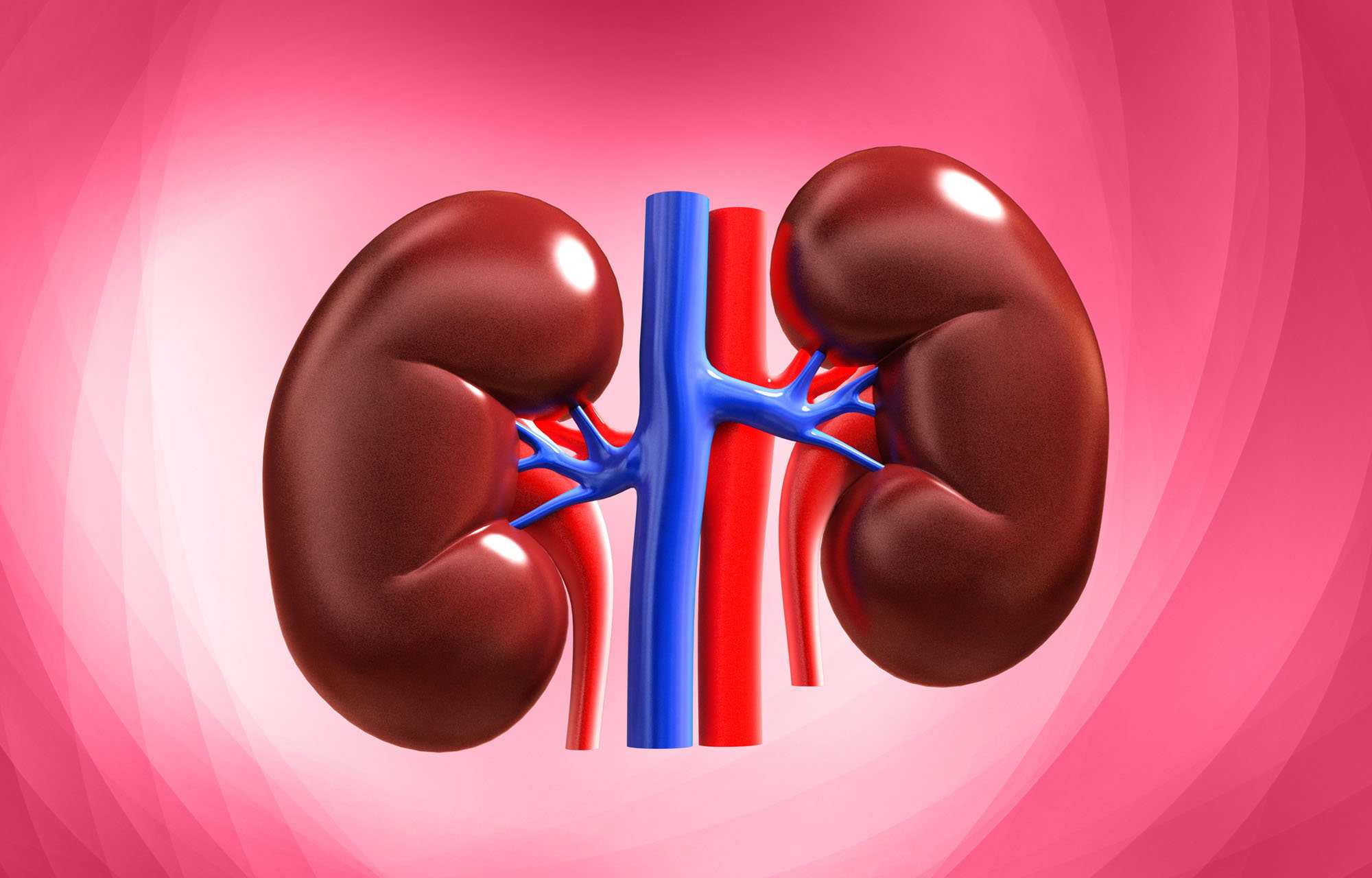
Your kidneys are two fist-sized organs that sit just below the rib cage on either side of the spine. They help your body perform many important functions such as filtering waste and excess fluid out of your blood, which are then stored in your bladder and expelled through urine.
Your kidneys also activate vitamin D for
bone and muscle health, release hormones that help regulate blood pressure and
red blood cell production, regulate your body’s pH, and maintain an appropriate
balance of potassium and calcium in the blood.
Every second Thursday in March is set aside
to raise awareness on the importance of our kidneys to our overall health and
to reduce the frequency and impact of kidney disease and its associated health
problems.
Kidney disease means having kidney damage,
and when the disease occurs over a long period of time, it is called chronic
kidney disease- CKD. Chronic kidney disease can lead to a buildup of waste in
the blood, weaker bones, high blood pressure, and an increase in the risk of
heart disease and stroke. If CKD worsens, it may lead to kidney failure, which
is treated with dialysis or a kidney transplant.
Many people don’t know they have kidney
disease because symptoms are typically not noticeable at early stages. Anyone
can have CKD, but the risk is higher for individuals with diabetes, high blood
pressure, obesity, a family history of kidney failure, recurring kidney stones,
or those aged 60 or older.
World Kidney Day (WKD) started in 2006 and is
now a global campaign and an annual event that takes place worldwide.
For 2024, the World Kidney Day (WKD)
Steering Committee has announced the campaign theme as “Kidney Health for All –
Advancing Equitable Access to Care and Optimal Medication Practice”.
This theme focuses on equitable access to
kidney disease screening, tools for early diagnosis, and sustainable access to
quality treatment.
Over the last three decades, treatments for
chronic kidney diseases (CKD) have centred on preparing for and delivering
kidney replacement therapies. However, recent therapeutic breakthroughs offer
unprecedented opportunities to prevent or delay disease and mitigate
complications such as cardiovascular disease and kidney failure, ultimately
prolonging the quality and quantity of life for people living with CKD.
Hence, the push for this year’s theme is to
make these new therapies universally accessible to all patients, in every
country and environment.
Barriers such as lack of CKD awareness,
insufficient knowledge or confidence with newer therapeutic strategies,
shortages of kidney specialists, and treatment costs contribute to profound
disparities in accessing treatments, particularly in low-and-middle-income
countries, but also in some high-income settings.
Kidney disease ranks as the 8th leading
cause of death and if left unaddressed, is projected to be the 5th leading
cause of years of life lost by 2040.
This year’s theme hopes to bridge these
gaps by focusing on health policies, healthcare delivery, healthcare professionals
and empowering patients and communities.
Raising awareness about CKD risk factors
such as diabetes, hypertension, and obesity; enhancing health literacy about
healthy lifestyle choices and self-care; and promoting long-term adherence to
treatment strategies can bring large benefits, especially when initiated early
and consistently maintained.
To care for your kidney and protect your
overall health, drink enough water, exercise, limit alcohol intake, quit
smoking, don’t overdo certain medications and antibiotics, eat healthy, watch
your salt intake, and get regular checkups.
Other articles

Copyright © 2026 Gynix Afrika. All rights reserved.